Why Music Labels Collaborate with Gambling Brands in 2026
Why Music Labels Are Increasingly Collaborating with Gambling Brands
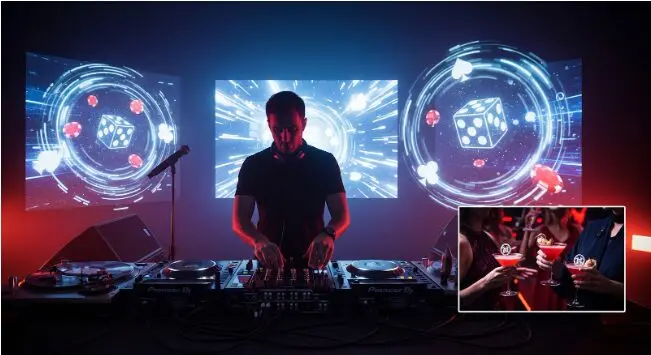
In the streaming era, music marketing is less about pushing a single release and more about staying visible inside crowded feeds. Labels and managers juggle fragmented platforms and the pressure to turn fan energy into measurable outcomes. That is why partnerships matter: brands pay for association, artists gain distribution, and labels get budgets that can extend beyond a one-week rollout.
Gambling operators sit in a particular corner of this sponsorship world. They fund sport and live events and understand how to keep users returning in frequent sessions. For labels, that habit resembles the way fans replay hooks, rewatch clips, and re-enter community chats. The collaboration is not just about logos; it is about how nightlife, sport, and music overlap in the same digital routines.
The business logic: marketing budgets follow attention loops
Labels increasingly plan campaigns as loops rather than moments. A single music video drop is valuable, but a sequence of micro-content—teasers, rehearsal footage, live snippets, fan edits—can sustain engagement for weeks. Brands with large entertainment budgets like this structure because it spreads impressions across formats and keeps creative consistent.
Gambling brands also tend to measure outcomes aggressively. Instead of paying only for a headline appearance, they track click paths, repeat visits, and time spent inside a branded experience. That measurement culture pushes labels to design partnerships with clearer deliverables: posting cadence, content formats, and the moments when audiences are most likely to engage.
From stage banners to story formats: how partnerships became content
Traditional sponsorship was a backdrop: a logo on a festival wall, a banner in a venue, a mention in a press release. Modern collaborations are built to be filmed. A tour bus wrap becomes a TikTok set, and a VIP wristband becomes a close-up in a recap reel. The partner wants assets that travel beyond the venue, and the label wants production value that looks native to social platforms.
This is also why deals now bundle creators and communities. Labels can seed content through DJs, dancers, sports creators, and meme pages that share the same audience. Gambling brands, already experienced in entertainment-adjacent advertising, fit that network because they can fund repeated content waves, not just one headline moment.
Casinos as lifestyle marketing: the “night out” narrative sells music too
Casinos are not marketed like utilities; they are marketed like nights out. That framing aligns neatly with how labels sell tours, club residencies, and deluxe releases. The visuals are familiar—lights, motion, anticipation—and they map onto the same emotional promise that a chorus drop delivers: the sense that something is about to happen.
In that logic, Online Casino Melbet reads less like a separate product and more like a sponsor able to fund high-frequency creative output. Slot menus are built around themes, pacing, and quick feedback, which is why casino brands prefer short-form video loops and repeatable hooks. Campaigns often borrow the language of “sets” and “drops”: rotating visuals, curated highlights, and quick sessions that resemble playlists more than catalog pages. When a label builds a partnership around that rhythm, the content can feel like an extension of an artist’s aesthetic rather than a detached billboard. The analytical point is that casinos pay for repeat sessions, and music marketing increasingly competes in the same attention economy.
Data, community, and the metrics both sides care about
Under the glossy surface, collaborations run on segmentation. Labels know where an artist’s listeners cluster, which tracks travel on dance pages versus football pages, and which cities spike during tour season. Gambling operators bring their own segmentation around session timing, device habits, and the difference between casual browsing and committed play. When those maps overlap, the partnership can target moments when fans are already primed to interact.
Community is the multiplier. Fan groups and creator collectives can be activated around predictable peaks—weekends, match nights, album anniversaries—using polls, remix challenges, watch-alongs, and backstage livestreams. The sponsor’s value is often less about a single ad impression and more about funding the tools and production that keep the community active.
Brand safety is not abstract; it shapes the creative choices
Because gambling is regulated differently across markets and platforms, labels treat these deals as operational projects. Disclosure requirements for sponsored posts, age-gating practices, and platform rules influence which formats are used and how visuals are framed. That constraint often pushes campaigns toward broader nightlife storytelling and away from explicit gameplay imagery.
Language is part of the machinery in these deals, because captions double as tracking endpoints. In some creator ecosystems, the tag play here melbet-kenya.net appears beneath club footage or casino-branded backstage content, linking the vibe to a measurable destination. Labels keep the artist at the center while the casino partner’s link works quietly in the background, and performance is judged by click spikes after premieres and the share of repeat visits over a campaign window. The collaboration can look casual on screen, yet the consistency of tags, visuals, and posting cadence usually signals a tightly planned rollout.
Summary: Repeat-Session design meets modern marketing
Music labels collaborate with gambling brands for the same reason they work with fashion, energy drinks, or telecoms: distribution and budget. What makes casino operators distinctive is their comfort with repeat-session design and their emphasis on measurable activation. When those incentives meet modern music marketing—short-form content, fan communities, and tour-centered storytelling—the partnership becomes less about a logo and more about a production pipeline that keeps an artist visible across platforms.