Casinos in Mega-City Nightlife Economy: Culture, Jobs, Spending
Casinos as Part of the Nightlife Economy in Mega Cities
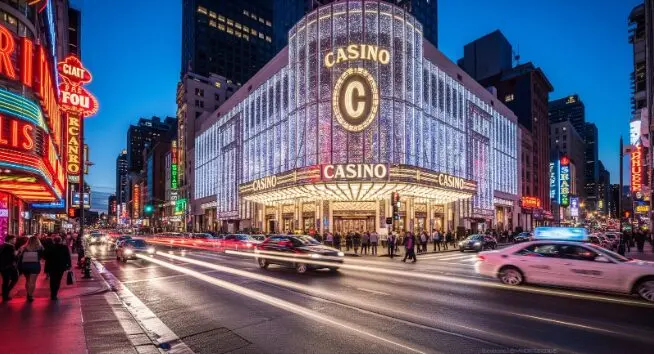
Mega cities do not “switch off” after office hours. They reorganize. Entertainment districts light up, restaurants change menus for late traffic, and transport routes shift to move crowds between venues. In that late-hour economy, casinos occupy a distinctive role because they combine gaming, food, music, and long opening hours in a single address.
This article looks at casinos as urban infrastructure for nightlife rather than as a standalone venue. It explains how casinos anchor clusters of bars and hotels, how they create specific types of jobs, and why they influence spending patterns across a city’s night-time supply chain. It also considers how sports viewing and sports betting have become a parallel nightlife track, shaping where people gather and how they plan evenings around big fixtures.
Casinos as “anchors” that pull other venues closer
Urban nightlife often grows in clusters because people want choice within walking distance. Casinos can act as anchors: they attract foot traffic, make late-night dining viable, and encourage hotels to develop packages around events. A casino building also tends to be security-heavy and well-lit, which can change how nearby venues position themselves and how transport operators plan pick-up points.
The anchor effect is not only physical. Casinos create scheduling gravity: themed nights, tournaments, and live entertainment slots that bring repeat visitors at predictable times. That predictability helps surrounding businesses with staffing and inventory, from taxi cooperatives to street-food vendors.
The employment engine behind the neon
Casinos support a broad range of jobs that look different from typical club work. Dealers, slot attendants, surveillance staff, cash desk operators, and compliance teams sit alongside bartenders, chefs, hosts, and cleaners. In many mega cities, the casino workforce also includes event production crews and marketing teams who manage calendar-based promotions and partnerships.
Because casinos operate for long hours, they often create shift structures that ripple into the local economy. Late-night transport gets steadier demand, convenience retail sees more foot traffic, and certain food suppliers benefit from consistent volumes. Even when visitors spend money inside the casino, the surrounding ecosystem earns from the movement and the routines that casino operations generate.
Digital casino lobbies and the “after-hours” extension
Nightlife is increasingly hybrid: the evening starts in a venue and continues on a phone during the ride home or after a late meal. That hybrid pattern helps explain why casino brands invest in digital lobbies that mirror the pacing of a night out. A user who leaves a district can still browse games, follow new releases, or pick up a short session that fits into the quiet gaps between social moments.
Some platforms highlight this continuity with a dedicated slots section, and the browsing experience on online casino in tanzania illustrates how a digital lobby can be organized like a nightlife menu. Slots are grouped by themes and volatility, making it easier to choose between short, low-stake sessions and higher-variance formats that feel closer to a club’s peak-hour energy. The “night economy” logic shows up in product design: quick entry, clear categories, and a constant sense of rotation that keeps the catalog fresh. Even when play happens on a screen, the demand it serves is familiar – late-hour entertainment that is available instantly and does not depend on a venue’s closing time. For cities, that shift matters because it changes when and where entertainment spending happens, and it reshapes how brands compete for attention after midnight.
Restaurants, hotels, and the multiplier effect
Casinos rarely operate alone in mega-city planning. Hotels value them because they can stabilize occupancy, especially during midweek periods when concerts or conferences are not enough. Restaurants benefit from the steady flow of guests who want a full evening rather than a single stop. For tourism boards and event planners, casinos can be a component in destination marketing, bundled with shows, dining, and nightlife tours.
The multiplier effect also shows up in pricing. When a casino district becomes a recognized entertainment zone, nearby rent can rise, and premium venues may relocate closer to the foot traffic. That can be good for tax revenue and jobs, but it can also push out smaller operators, which is why many cities debate how to balance growth with variety.
Match nights, sports bars, and the betting-adjacent crowd
Not all nightlife revolves around casino floors. In many cities, the busiest evenings are tied to football, boxing, or major tournaments, when sports bars and lounges become social hubs. Large screens, sound, and communal reactions turn a match into an event, and the commercial impact spreads to food, transport, and late-hour retail.
Sports betting sits naturally in that ecosystem because it adds pre-match anticipation and in-play tension to the same social setting. People compare prices, discuss handicaps, and react to lineup news together, often placing small stakes that mirror the rhythms of the game. For venue owners, the result can be longer dwell time and more repeat visits, because fans return for big fixtures and rivalries even when they do not plan a full night out.
Synthesis and Final Perspective
Casinos matter to mega-city nightlife because they concentrate long-hour entertainment, jobs, and predictable foot traffic in one place. They also influence surrounding sectors – transport, food, hotels, and event production – creating a multiplier effect that shapes how districts evolve. As nightlife becomes more hybrid, digital casino lobbies extend that late-hour demand beyond physical venues, while match-night sports culture creates a parallel economy in bars and lounges. The night-time economy is not one industry; it is a network, and casinos are one of its most visible nodes.